What We Take
Construction Waste Removal
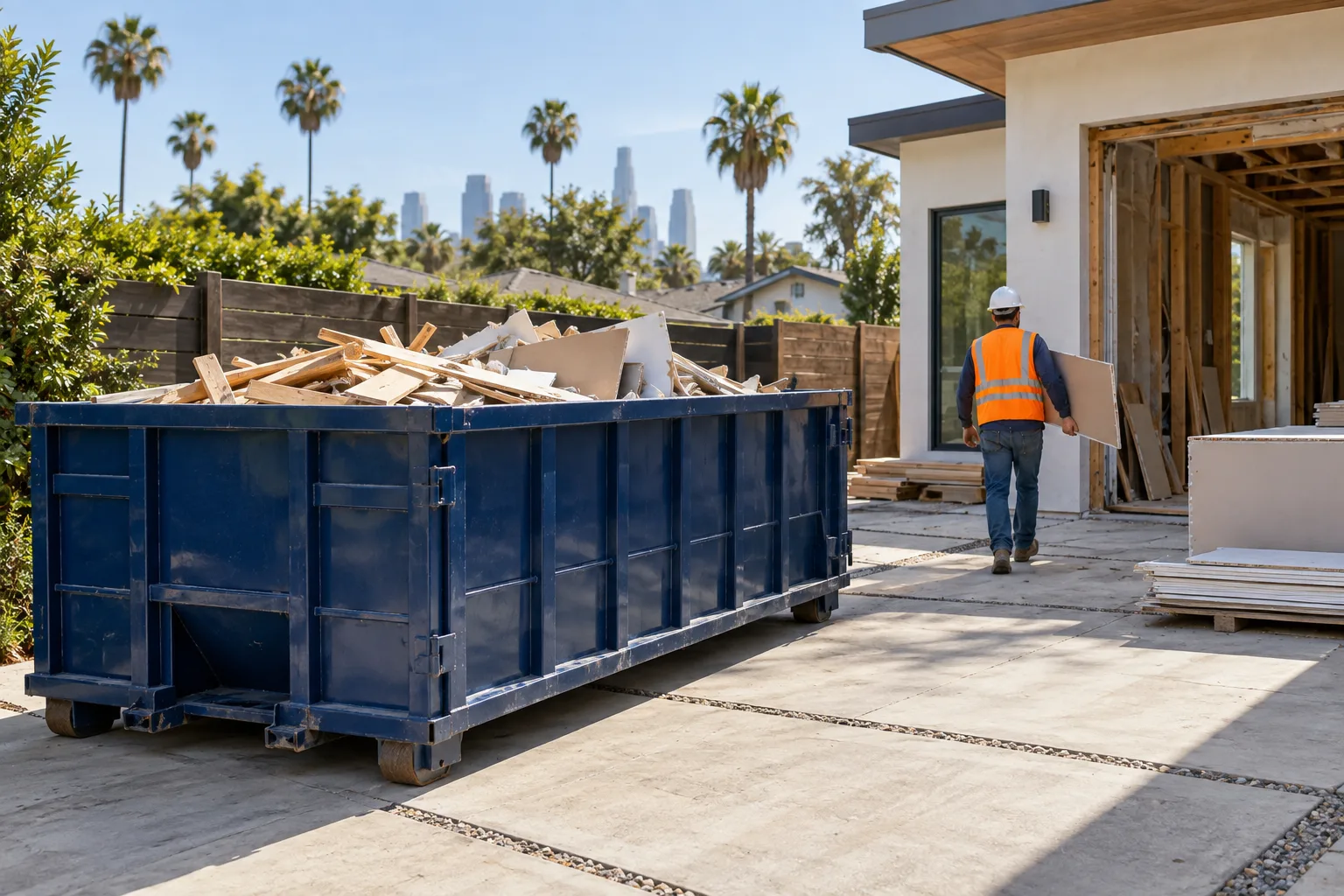
Construction debris is not only about volume. Weight, sharp edges, and material type should shape the container plan.
Plan the load
Build the load around the heaviest material.
List each debris stream before choosing a size. Drywall, lumber, cabinetry, flooring, roofing, tile, masonry, and soil can behave very differently in the same container.
What to sort before you call
- Clean lumber and offcuts
- Drywall and plaster
- Cabinetry and trim
- Flooring and carpet
- Roofing material
- Tile, masonry, or dense debris
Material rules vary.
Heavy materials may require a smaller container, a separate load, or special limits. Never mix unknown chemicals, liquids, asbestos-containing material, or pressurized containers into the load.
Ask about your material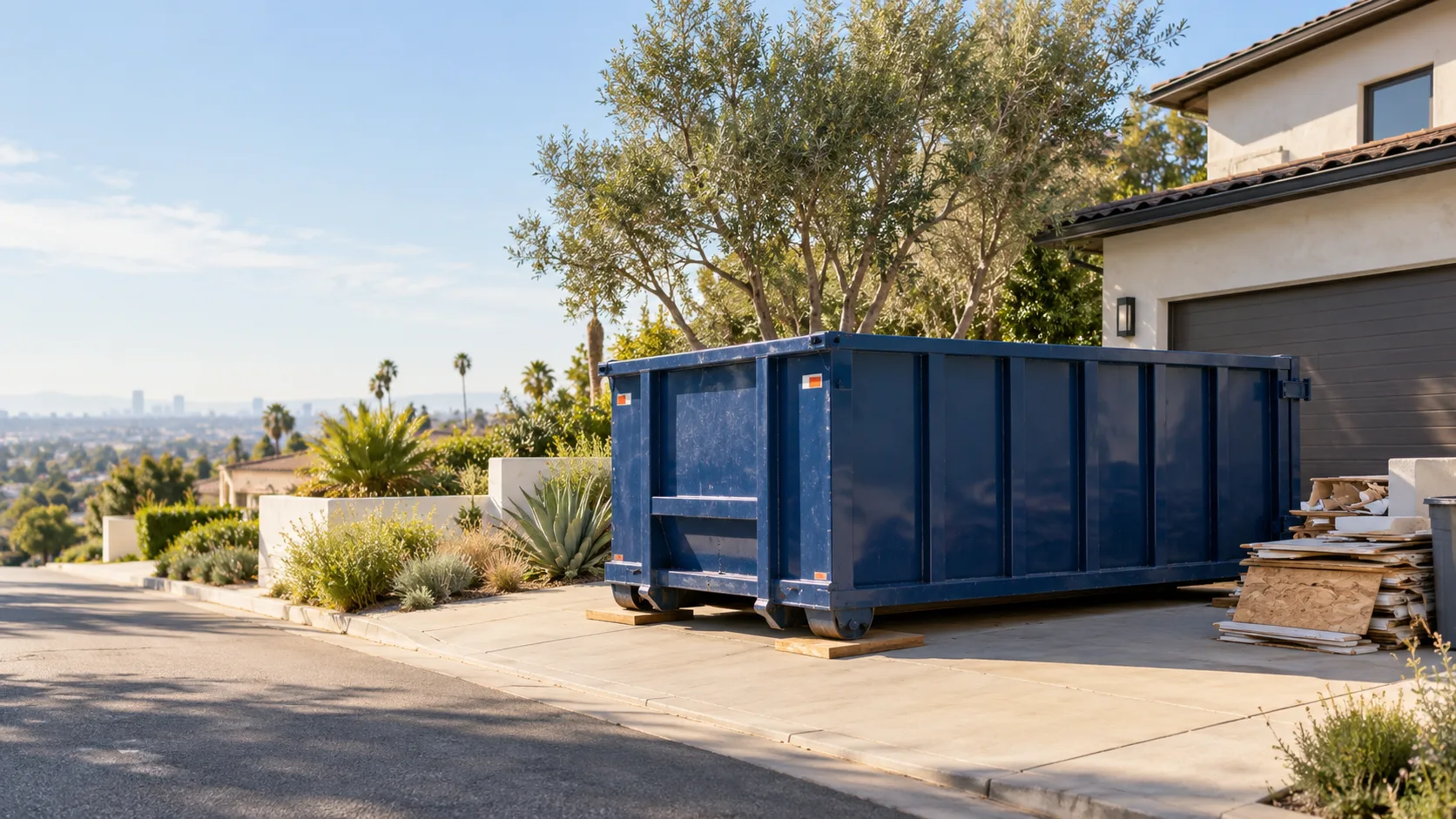
Choose by volume
The right bin starts with the real pile.
Count the bulky pieces, note anything unusually heavy, and estimate how much floor space the loose material takes up. Then compare the four container sizes or call for help narrowing it down.
Compare dumpster sizesQuick answers
Before you load.
Can concrete or soil go in a dumpster?
Ask before loading. Dense debris can reach weight limits quickly and may need a dedicated plan.
Should materials be separated?
Separating dense debris, reusable material, and special waste makes the load easier to evaluate and can prevent problems.
How high can construction debris be loaded?
Keep every piece within the container walls. Long boards and loose debris must not extend above the top edge.