What We Take
Foreclosure Clean Outs
Property cleanouts move faster when rooms, special items, and access are documented before the first load.
Plan the load
Turn a full property into a clear inventory.
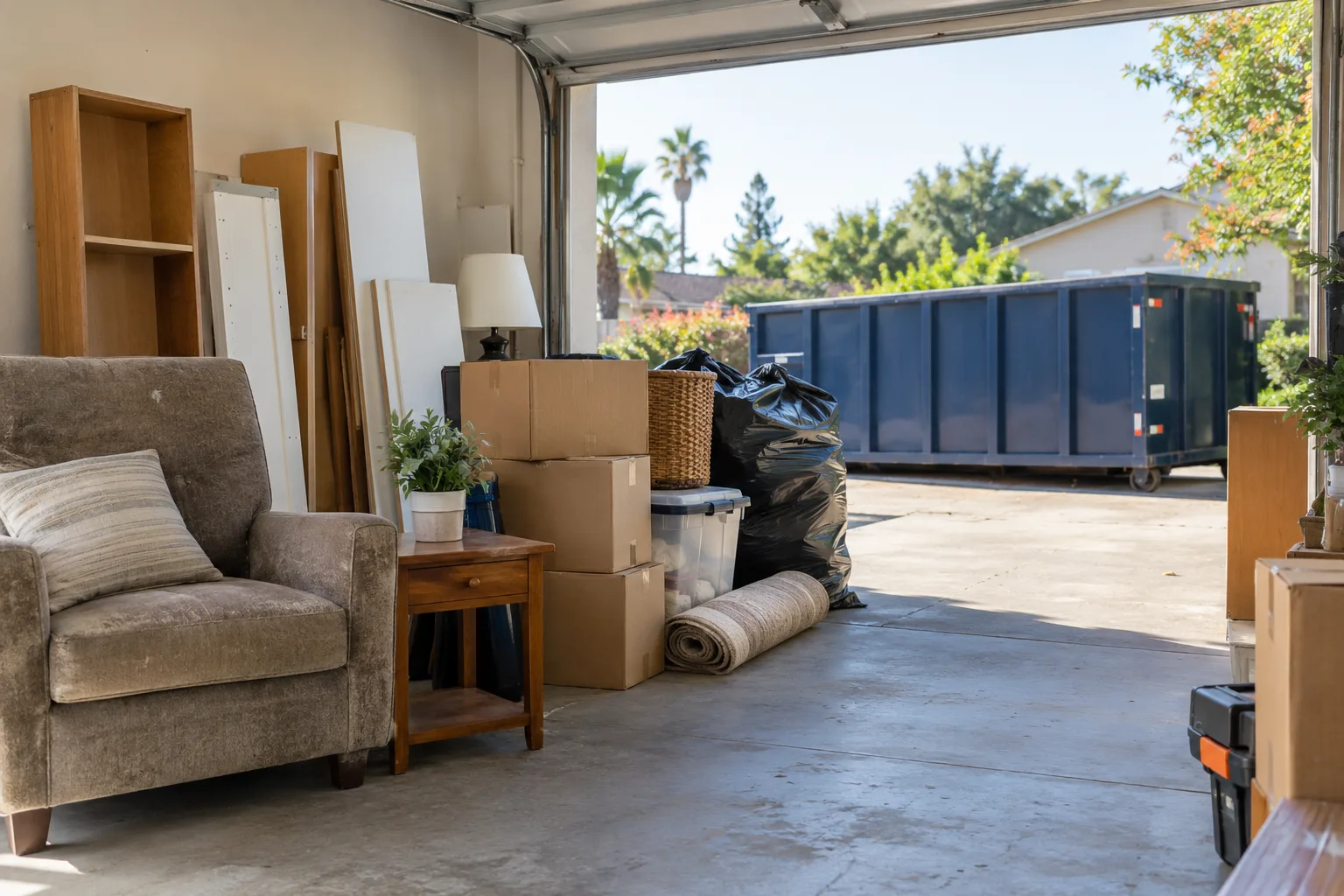
Start room by room. Separate furniture, appliances, mattresses, ordinary household clutter, and anything that may need special handling. That inventory makes container planning more accurate.
What to sort before you call
- Whole-home contents
- Garage and storage items
- Furniture and cabinetry
- Bagged household clutter
- Outdoor items
- Turnover and repair debris
Material rules vary.
Unknown containers, chemicals, paint, batteries, electronics, and personal records should be separated before loading. Confirm special items instead of guessing.
Ask about your material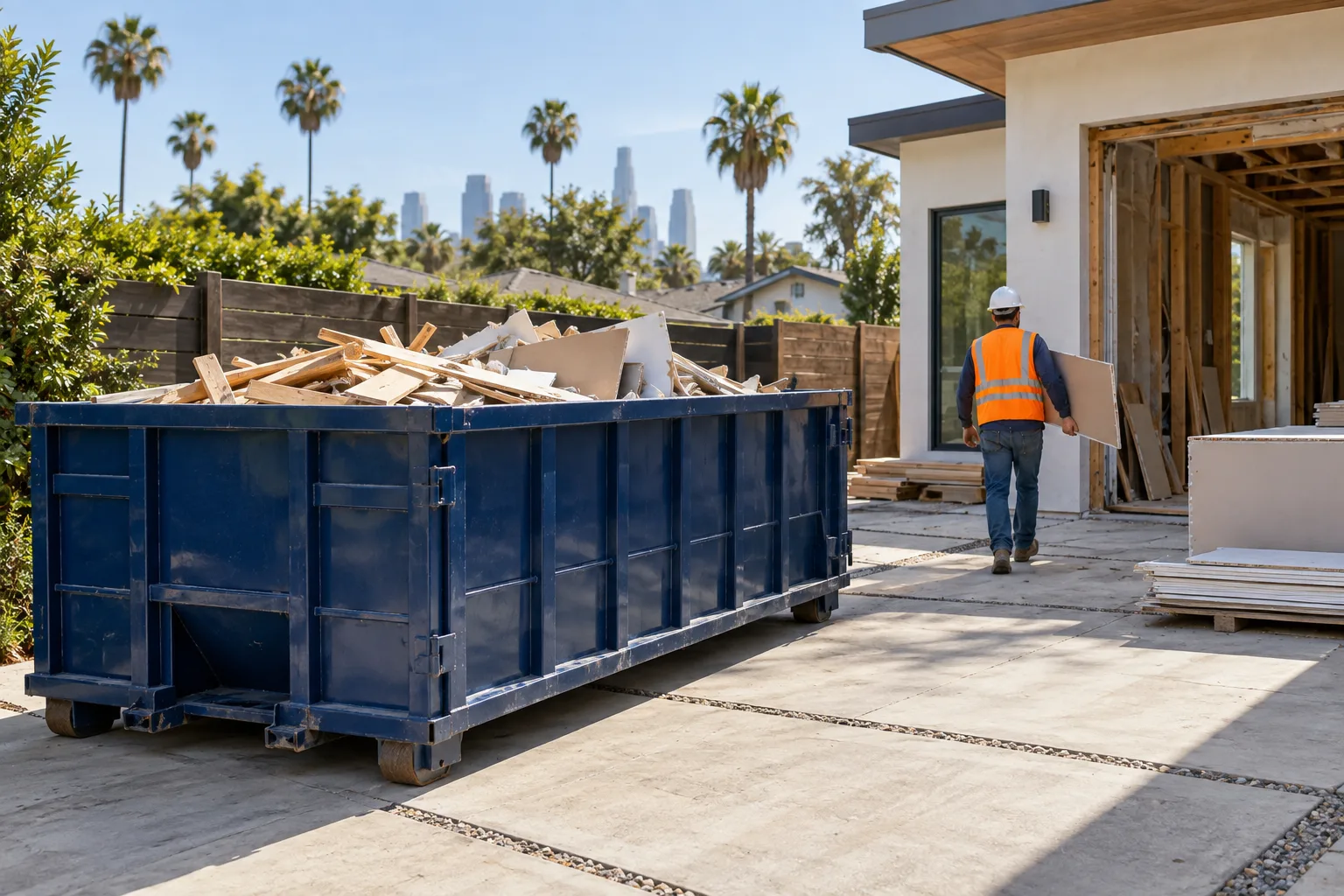
Choose by volume
The right bin starts with the real pile.
Count the bulky pieces, note anything unusually heavy, and estimate how much floor space the loose material takes up. Then compare the four container sizes or call for help narrowing it down.
Compare dumpster sizesQuick answers
Before you load.
Where should a property cleanout start?
Begin with a room-by-room inventory and a separate list of heavy, hazardous, electronic, or liquid items.
Can renovation debris go in the same container?
Possibly, but type and weight matter. Describe both the household contents and the repair debris before choosing a container.
What should stay out of the dumpster?
Set aside anything liquid, pressurized, hazardous, electronic, or uncertain until you confirm the handling route.